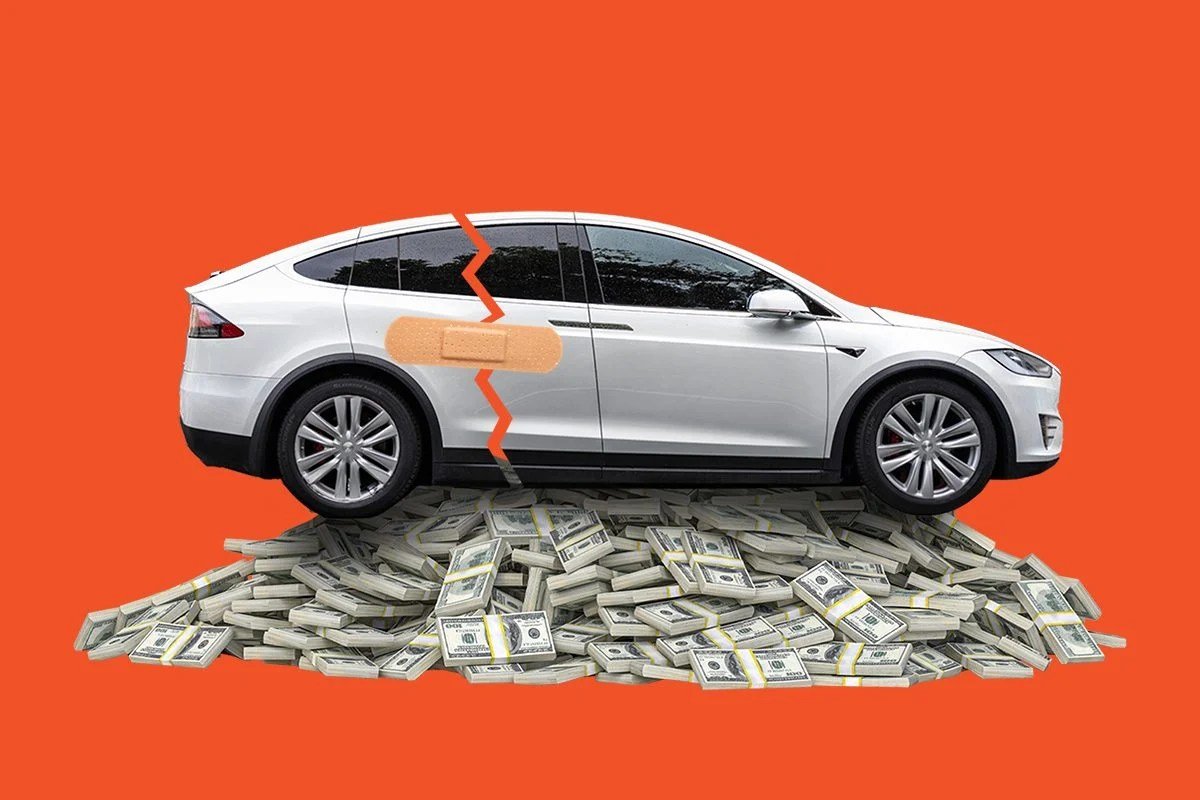
Imagine this: you've just driven off the lot in your brand-new car, beaming with pride. A few months later, disaster strikes – your car is totaled in an accident or stolen. While your standard auto insurance policy steps in, you quickly discover a painful truth: it only pays out your car's actual cash value (ACV), which is often far less than what you still owe on your loan. This surprising financial shortfall can leave you making payments on a car you no longer own. This is precisely where gap insurance comes into play.
Gap insurance, short for Guaranteed Asset Protection, is designed to bridge this exact financial chasm. It covers the "gap" between your car's depreciated value and your remaining loan or lease balance, ensuring you're not left with a hefty bill after a total loss. But is it always necessary? Or is it an expense you can skip? Let's dive deep into whether gap insurance is worth it for your unique situation.
What is the "Gap" in Car Loan Protection?
The core concept behind gap insurance is simple yet profoundly impactful. Cars begin to depreciate the moment they leave the dealership, losing a significant portion of their value in the first year alone. Your standard comprehensive and collision insurance policies will only reimburse you for this depreciated actual cash value if your car is declared a total loss or stolen. They don't care what you still owe your lender.
For instance, if you bought a car for $32,000, and it's totaled when its market value has dropped to $26,000, your insurer pays $26,000. If your outstanding loan balance is $29,000, you're still on the hook for the remaining $3,000 out of your own pocket. Gap insurance steps in to cover that $3,000, effectively zeroing out your loan. To fully grasp this essential protection and how it functions, explore our guide on Understanding Gap Insurance.
When Gap Insurance Becomes an Essential Financial Safety Net
For many drivers, gap insurance isn't just a nice-to-have; it's a critical component of responsible car ownership, especially in certain scenarios. If you find yourself in any of the following situations, the peace of mind offered by gap insurance could be invaluable:
- Small or No Down Payment: The less you put down, the higher your initial loan balance compared to the car's value. This immediately puts you in a negative equity position, making gap coverage highly beneficial.
- Long Loan Terms (5 years or more): The longer your loan, the more time depreciation has to outpace your principal payments, increasing the likelihood of owing more than the car is worth for an extended period.
- Leasing a Vehicle: Many leasing agreements actually mandate gap insurance, often building the cost directly into your lease payments.
- Rolling Over Negative Equity: If you traded in a previous car with an outstanding loan balance and rolled that into your new car loan, you start with a significant "gap" from day one.
- Purchasing a Brand-New Vehicle: New cars experience the steepest depreciation in their first few years, creating a substantial difference between your loan amount and the car's ACV early on.
If any of these resonate with your current vehicle financing, you'll want to Learn when gap insurance is essential to protect your finances.
When Gap Insurance Might Be an Unnecessary Expense
While gap insurance offers vital protection for many, it's not universally required or even beneficial for every driver. Understanding when it might not be worth the added premium is just as important as knowing when it is. Consider skipping gap insurance if:
- You Made a Large Down Payment: A substantial down payment immediately reduces the loan-to-value ratio, minimizing the risk of negative equity.
- You're Buying a Used Car: Used vehicles generally depreciate at a slower rate than new ones, making it less likely for your loan balance to significantly exceed the car's value.
- Your Loan Repayment is Rapid: If you're aggressively paying down your loan or have a short loan term, your loan balance will likely drop below the car's actual cash value much quicker.
- Your Loan Balance is Already Lower Than or Close to the Car's ACV: As your loan matures, the gap naturally shrinks. You can typically cancel gap insurance once this point is reached.
Knowing these situations can save you money. For a detailed breakdown, check out When Gap Insurance is Not the right fit for your budget.
Unpacking the Cost and Your Purchase Options
The cost of gap insurance can vary significantly depending on where you purchase it and your specific vehicle and loan details. It's crucial to compare your options to ensure you're getting the best value.
- Dealerships: Often the most convenient place to buy gap insurance, dealerships might roll the cost into your car loan. While easy, this can mean paying interest on the gap insurance itself, potentially making it the most expensive option. Expect a flat fee often several hundred dollars.
- Auto Insurance Companies: Many major auto insurers offer gap coverage as an affordable add-on to your existing comprehensive and collision policy. This is often the most cost-effective route, with annual premiums typically ranging from $20 to $40. You might even be able to add it within a certain timeframe (e.g., 30 days) after purchasing your car.
- Lenders and Credit Unions: Your financing institution might also offer gap protection, sometimes integrated into your loan package.
Always ask for quotes from multiple providers, including your current auto insurer, before committing. Understanding the full financial picture, including hidden costs like interest, is key. To get a comprehensive view of how much you might pay and what that covers, dive into our guide on the Cost and Value of Gap. Once you've decided gap insurance is for you, learn more about your different purchasing avenues with How to Buy Gap Insurance.
Key Distinctions: What Gap Insurance Doesn't Do
It's equally important to clarify what gap insurance is not and what it doesn't cover, to avoid any misconceptions:
- Deductibles: Gap insurance does not pay your standard comprehensive or collision deductible. You will still be responsible for that amount if you file a claim.
- Vehicle Repairs: Gap insurance is not a substitute for an extended warranty or mechanical breakdown insurance. It only applies if your car is a total loss; it won't cover repair costs for a vehicle you still own.
- Lost Wages or Medical Bills: It's strictly financial protection for your loan balance, not personal injury or lost income due to an accident.
- Gap Waivers: Some dealerships or lenders offer "gap waivers," which are agreements where the lender waives your obligation to pay the gap amount. While similar in outcome, a waiver is a contractual agreement with the lender, not an actual insurance policy underwritten by an insurer.
Making Your Informed Decision
Ultimately, the decision of whether "is the gap insurance worth it" boils down to your personal financial situation, your car's value, and the specifics of your loan. For many drivers with new cars, modest down payments, or negative equity, gap insurance provides a crucial safety net, protecting them from a potentially devastating financial loss. It ensures that if your car is totaled, you can walk away from the loan without owing thousands of dollars on a vehicle you can no longer drive.
Assess your car loan balance, your repayment schedule, and your vehicle's expected depreciation. If you can stomach the risk of potentially owing thousands of dollars on a non-existent car, then perhaps it's not for you. But for most, the relatively small annual premium for gap insurance offers significant peace of mind. By taking the time to understand your options and compare prices, you can make a smart choice that protects your financial future on the road ahead.